
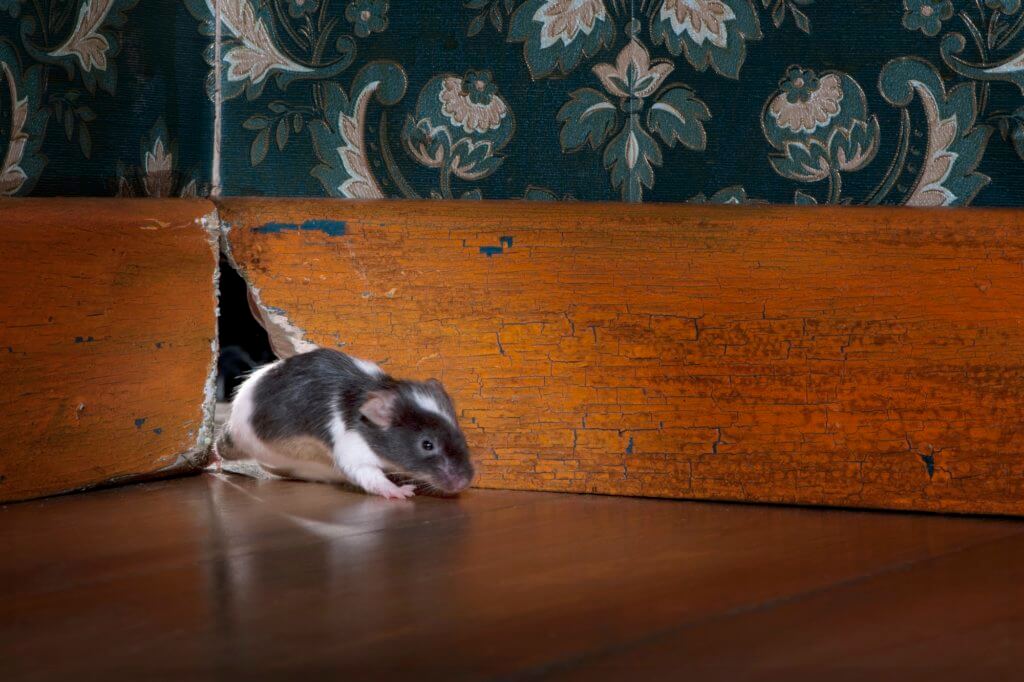
Winter in Missouri brings cold winds and plenty of warm indoor spaces that rats love. These pests search for shelter, food, and quiet corners to settle in. unfortunately, no wants rats inside their homes due to the possible diseases they carry and damage they can cause. But you can protect your home from a rat infestation if you hire the best pest control company to help develop barriers against these pests and tackle active infestations. Also, you can take the following steps to strengthen your defense against rats:
Seal Gaps
Rats squeeze through a gap near the foundation, a loose board in the garage, or a worn-out door sweep. So, look around your home’s outer walls before winter. Pay attention to areas where siding meets brick, zones near vents, and places where utility lines run through walls.
Steel wool or hardware cloth works well for smaller holes. For bigger openings, use sturdy materials like metal flashing or concrete patch. Missouri winters can be harsh near ground level, so rats search for warm air drifting out of homes.
Keep Food Sources Limited
Rats thrive anywhere there is food. They can find crumbs under appliances, open bags on pantry shelves, or unsealed trash in garages. Winter creates more indoor activity, which means food scraps may pile up.
To stop this cycle, store dry goods in hard containers. Sweep floors after meal prep and wipe surfaces before heading to bed. Trash should go into bins that shut tight, preferably ones made of tough plastic. If you feed pets indoors, do not leave bowls full overnight.
Watch Your Attic and Basement Closely
Missouri homes may have large attics or deep basements that can attract rats during winter. These areas stay quiet, which makes them prime nesting zones. A quick monthly check can help you notice early signs of activity.
In the attic, look at the insulation for shredding or trails. Rats use torn insulation to build nests. Listen for movement after sunset, since rats stay active during darker hours. In basements, inspect shelves, stored bins, and lower corners. Pay attention to droppings or smudges on walls, which indicate repeated rodent travel.
Maintain Your Yard
Rats begin outdoors, then move in once they find an advantage. A yard filled with clutter or vegetation close to the home can encourage them to explore. Winter may slow some outdoor activity, but it doesn’t stop rats from searching for shelter.
Trim shrubs around your foundation so branches don’t press against walls. Store firewood at a distance from your house and lift stacks off the ground to prevent nesting beneath the pile. Clear leaves and debris near gutters or steps, since rats hide inside dense materials.
Bird feeders can also lure rats. Spilled seed creates an easy food supply, which may pull rats closer to your home. If you keep feeders up through winter, use trays to collect excess and sweep the ground often.
Use Traps Strategically
Traps help monitor activity before a full problem begins. A few traps placed strategically can work. Missouri winters push rats along fixed travel paths, usually near walls or close to warm appliances. Place traps where walls meet corners.
Snap traps remain the most dependable choice for early detection. Peanut butter or small food bits create enough interest to test whether rats are nearby. Check traps often, but keep them out of reach of children and pets.
Reduce Moisture Sources Inside Your Home
Drips under sinks, damp spots near the water heater, and wet corners in basements give rats reasons to explore. Missouri winter air is dry outdoors, but moisture builds fast indoors, especially in laundry zones or bathrooms.
Fix leaks as soon as you notice them. A simple tightening of a pipe or replacement of a worn washer can block a future rat hotspot. Dehumidifiers also help maintain a dry environment, especially in homes with underground levels.
