
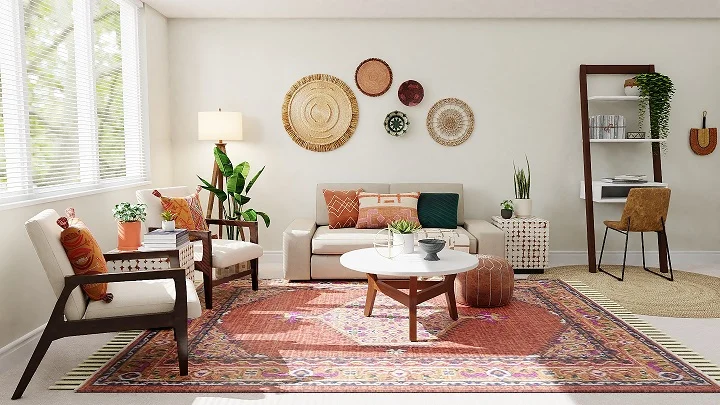
Decorating your home is far more than choosing a color palette or purchasing stylish furniture. For those with a refined eye for design, elevating a space requires mastery of balance, texture, and emotional resonance. This article explores five advanced, non-generic decor strategies designed for those who already understand the basics—and want to take their interiors to the next level of sophistication.
1. Treat Light as Sculpture in Space
Why light is the ultimate design medium
In high-end interiors, lighting isn’t just a tool to illuminate—it’s a material that sculpts the room. Expert designers treat light as a narrative, guiding the eye and shaping how a space feels throughout the day. The trick lies in creating layers, contrasts, and intentional glow points that make architecture and decor feel alive.
How to achieve a sculptural light effect
-
Layer your lighting: Use multiple sources—recessed fixtures, cove lighting, sconces, and floor lamps—to create visual depth. A single overhead light flattens a room; layered light brings dimension.
-
Play with shadows: Install directional lighting near textured walls or artwork to emphasize form and create intrigue.
-
Mix temperatures: Combine warm ambient lighting (2700K) with slightly cooler task lighting (3000K) for natural balance.
-
Architectural integration: Conceal light strips within ceiling recesses or under cabinetry for a seamless finish.
Pro tip
Treat light as an evolving design partner. Daylight, artificial light, and reflection from surfaces should interact dynamically, changing mood and atmosphere with time.
2. The Psychology of Negative Space
The power of restraint
True sophistication lies not in what you add, but in what you omit. Negative space—intentional emptiness—is a concept often reserved for fine art and architecture, yet it’s one of the most impactful tools in interior decor. Leaving breathing room between objects gives them presence, allowing each piece to be appreciated fully.
Techniques to implement
-
Spatial hierarchy: Group objects or furniture to create focal zones, while leaving surrounding areas minimal.
-
Balanced asymmetry: Offset large furniture with smaller decor elements on the opposite side for a sense of movement.
-
Material breathing space: Avoid overcrowding textures—if you use a richly veined marble countertop, balance it with smooth matte finishes nearby.
Why it works
Negative space amplifies the value of every item within it. It creates rhythm, tension, and calm—hallmarks of curated, high-level interiors.
3. Textural Storytelling: Beyond the Obvious
Move past predictable combinations
Anyone can pair linen with wood or leather with metal. The real artistry lies in using textures that surprise the senses without clashing. Consider the way textures influence not just touch but also acoustics and light diffusion in a room.
Expert combinations to explore
-
Raw meets refined: Combine rough plaster walls with polished brass fixtures for tactile contrast.
-
Quiet luxury layering: Mix soft mohair upholstery with matte stone flooring for understated opulence.
-
Sensory rhythm: Use a repeating tactile motif—like ribbed wood or fluted glass—to create a cohesive identity across rooms.
Finishing insight
When done correctly, texture becomes narrative. Each surface contributes to an emotional storyline, guiding how a person experiences the space.
4. The Art of Visual Weight Balancing
What is visual weight?
Visual weight refers to how heavy or light objects appear, not how much they actually weigh. Skilled designers manipulate this perception to create harmony and tension. A room can feel “off” even when it’s perfectly symmetrical because the visual gravity of each element is unbalanced.
How to master it
-
Color and mass: Dark tones feel heavier. If you have a dark feature wall, offset it with lighter elements elsewhere.
-
Material density: Glass and mirrors visually lighten; stone and wood ground. Use this to guide flow.
-
Scale manipulation: Place larger furniture on one side, then balance it with vertical accents—like tall plants or lamps—on the opposite side.
-
Emotional weight: A bold artwork carries as much impact as an entire sofa; treat it as such.
The payoff
Balanced visual weight prevents monotony and clutter. It ensures every part of the room contributes to an intentional, elegant composition.
5. Designing for Sensory Immersion
Beyond the visual: engaging all senses
Modern luxury decor isn’t just about what you see—it’s about what you feel, hear, and even smell. Multi-sensory design transforms interiors into full-bodied experiences that ground and comfort.
Practical applications
-
Sound textures: Incorporate sound-absorbing materials like wool curtains or cork walls for acoustic softness.
-
Temperature mapping: Use cool materials like marble in sunlit zones and warm woods in shaded corners to balance thermal perception.
-
Scent zoning: Subtle scent diffusers in different rooms can create distinct moods—herbal freshness in kitchens, amber warmth in living rooms.
-
Tactile curation: Mix smooth, nubby, and plush surfaces within the same sightline to encourage touch and engagement.
Why this matters
When all senses align, a home transcends aesthetics—it becomes emotionally intelligent design. Sensory layering differentiates a merely beautiful space from one that feels truly alive.
Bringing It All Together
Sophisticated interiors share one unifying trait: intentionality. Every choice, from lighting temperature to the space between objects, serves a purpose. The aim isn’t perfection or symmetry—it’s balance, depth, and sensory richness. By viewing decor as a multi-dimensional language, you craft environments that speak to their occupants in tone, texture, and emotion.
FAQs
1. How can I make my decor look sophisticated without major renovations?
Focus on light layering and negative space. Both dramatically elevate ambiance without structural changes.
2. What’s the biggest mistake people make with advanced decor concepts?
Over-layering. True elegance comes from restraint—editing is as crucial as adding.
3. Can sculptural lighting work in small spaces?
Absolutely. In fact, it can visually expand smaller rooms by drawing the eye upward and creating depth.
4. How do I maintain balance when using bold textures?
Anchor one dominant texture and complement it with two to three subtle variations. Avoid using all bold materials in one space.
5. What sensory element has the most impact?
Lighting, hands down. It influences color perception, mood, and even perceived size.
6. Is symmetry outdated in modern decor?
Not entirely, but asymmetry offers more fluidity and visual intrigue when executed with balance in mind.
7. How often should I update a space’s design elements?
Refresh textures, lighting, and scent palettes seasonally. These subtle changes maintain energy and prevent stagnation without full redesigns.
