
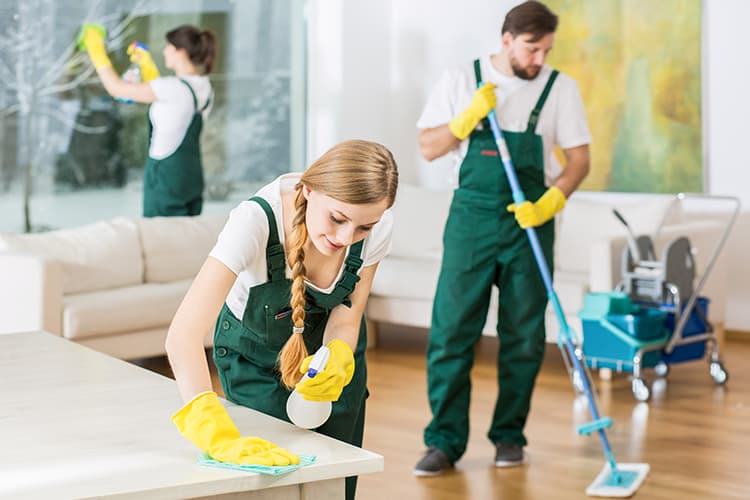
The cleaning service industry is entering an era defined by technology, sustainability, and measurable performance. No longer seen as a basic operational function, cleaning has evolved into a strategic service that directly influences productivity, health, and brand image. For modern businesses, the question is no longer if they should invest in professional cleaning—but how smart, efficient, and sustainable their cleaning solutions can be.
From Routine to Predictive Cleaning
Traditional cleaning relied on rigid schedules—daily or weekly tasks performed whether or not a space was actually used. Today’s forward-thinking cleaning companies are embracing predictive cleaning, an approach powered by real-time data and the Internet of Things (IoT).
How Predictive Cleaning Works
-
Smart Sensors: Motion detectors, air quality monitors, and occupancy sensors track space utilization in real time.
-
Analytics Platforms: The collected data is analyzed to determine which areas need immediate cleaning.
-
Automated Task Management: Cleaning staff receive digital alerts on mobile devices, allowing them to focus on high-priority zones first.
This method ensures that cleaning resources are deployed based on actual need rather than fixed schedules. Predictive cleaning not only increases hygiene standards but also improves efficiency and reduces labor costs. Facilities such as airports, corporate campuses, and hospitals benefit significantly from these data-driven models.
Sustainability: The New Benchmark
In today’s marketplace, sustainability defines competitive advantage. Clients are more environmentally conscious than ever and seek cleaning service providers that share their values. A sustainable cleaning strategy minimizes environmental impact while maintaining superior cleanliness.
Green Cleaning Products and Practices
The era of chemical-heavy cleaners is ending. Companies now use biodegradable, pH-neutral, and non-toxic cleaning agents that are safe for both humans and ecosystems. Key innovations include:
-
Enzyme-based Cleaners: Naturally break down organic matter without harmful residues.
-
Microfiber Technology: Reduces chemical and water use by trapping more dirt per wipe.
-
Concentrated Refills: Decrease packaging waste and shipping emissions.
-
Water-Efficient Equipment: Modern floor scrubbers and dispensers minimize water waste.
Financial and Reputational ROI
Sustainable cleaning isn’t just an ethical move—it’s a profitable one. Businesses that switch to green cleaning methods often report lower long-term costs and enhanced brand perception. Moreover, sustainability reporting aligned with ESG (Environmental, Social, and Governance) metrics helps organizations attract eco-conscious clients and investors.
Data-Driven Cleaning for Smarter Operations
The rise of data-driven cleaning management allows organizations to monitor, measure, and optimize cleaning operations with precision. Data analytics tools compile information from sensors, staff apps, and feedback systems to identify trends and inefficiencies.
Key Performance Metrics in Cleaning Analytics
-
Task Completion Rates: Tracks how efficiently cleaning teams meet daily goals.
-
Real-Time Hygiene Levels: Monitors air quality, humidity, and surface cleanliness.
-
Resource Utilization: Analyzes product consumption and supply chain performance.
-
Customer Feedback: Collects responses from digital QR-based surveys to measure satisfaction.
This data-centric model transforms cleaning into a quantifiable process—one that can be audited, improved, and justified to stakeholders. Facilities that adopt data-driven systems can expect up to 25% operational cost reduction and consistently higher service quality.
The Rise of Smart Cleaning Technologies
Automation is redefining how cleaning tasks are performed. Advanced cleaning technologies enhance precision, consistency, and safety while reducing manual workload.
Next-Generation Cleaning Innovations
-
Electrostatic Sprayers: These devices charge disinfectant droplets to ensure even surface coverage and minimize chemical waste.
-
UV-C Disinfection Systems: Ideal for hospitals and laboratories, UV-C light kills pathogens without leaving residues.
-
Autonomous Cleaning Robots: Robots can vacuum, mop, and sanitize large floor areas with minimal supervision.
-
IoT-Integrated Cleaning Equipment: Machines transmit usage data to maintenance dashboards for predictive servicing.
These smart solutions not only meet higher hygiene expectations but also enable scalability in large facilities, from shopping malls to manufacturing plants.
Workforce Empowerment Through Technology
Despite automation, human expertise remains central to the cleaning industry. The difference is that modern cleaning professionals now work smarter, not harder—aided by mobile apps, wearable tech, and digital task tracking.
Tools That Enhance Workforce Efficiency
-
Digital Training Platforms: Ensure staff are consistently updated on safety protocols and new technologies.
-
Mobile Management Systems: Assign and track tasks, monitor performance, and provide instant feedback.
-
Wearable Safety Devices: Track exposure levels in chemical-intensive zones and alert supervisors in emergencies.
By integrating technology into daily operations, cleaning companies create safer, more efficient, and motivated workforces that deliver consistently high service standards.
Health-Focused Cleaning: Beyond Surface Hygiene
Post-pandemic, cleanliness has evolved into wellness-driven cleaning. Clients expect environments that promote physical health and mental comfort, not just visible tidiness.
Key Aspects of Health-Driven Cleaning
-
Air Quality Management: Using purifiers and ventilation audits to reduce airborne pollutants.
-
Touchpoint Sanitization: Prioritizing frequently touched surfaces like switches and handles.
-
Fragrance-Free Cleaning: Eliminating synthetic scents that trigger allergies.
-
Certified Hygiene Protocols: Adhering to standards like ISO 45001 and WELL Building guidelines.
This holistic approach transforms cleaning from a maintenance function into a well-being initiative, crucial for productivity and occupant satisfaction.
The Business Value of Intelligent Cleaning
Forward-thinking businesses now see cleaning as a strategic investment rather than a cost center. With smart systems, sustainability frameworks, and workforce optimization, cleaning service providers are helping organizations:
-
Improve operational efficiency and compliance.
-
Enhance employee morale and retention.
-
Strengthen brand trust through transparency and environmental responsibility.
-
Reduce downtime through proactive maintenance.
Ultimately, data-backed cleaning services align with the broader goals of digital transformation and corporate responsibility, positioning cleaning providers as strategic partners in business growth.
FAQs
1. What is the difference between traditional and predictive cleaning?
Traditional cleaning follows fixed schedules, while predictive cleaning uses real-time data to determine where and when cleaning is needed based on occupancy and usage patterns.
2. How do cleaning robots improve efficiency?
Robots handle repetitive tasks like mopping or vacuuming, allowing staff to focus on more complex cleaning duties, improving productivity and consistency.
3. Are green cleaning products as effective as chemical cleaners?
Yes, modern green cleaning solutions are formulated with advanced enzymes and natural surfactants that perform equally well—without the toxic side effects.
4. What are the main sustainability benefits of modern cleaning services?
Reduced water and energy use, less plastic waste, and minimized chemical pollution are the key sustainability benefits achieved through eco-friendly cleaning practices.
5. How does data analytics improve cleaning outcomes?
Data analytics allows managers to monitor performance, optimize resource use, and validate service quality with measurable metrics.
6. Why is air quality monitoring part of modern cleaning?
Air quality directly affects occupant health. Monitoring helps detect dust, allergens, or VOCs, ensuring that cleaning efforts contribute to overall wellness.
7. What future trends will shape the cleaning service industry?
Expect greater integration of AI, robotics, IoT-based predictive systems, and fully sustainable cleaning materials that align with global carbon neutrality goals.
