
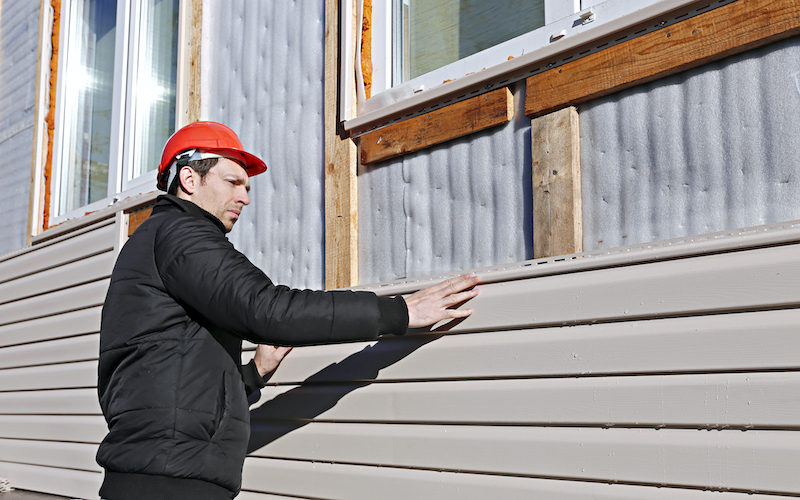
Perhaps one of the most common exterior options in Phoenix, AZ, vinyl siding is durable, easy to maintain, and performs well under extreme weather conditions. However, vinyl is not indestructible, and over time, even when installed properly, it can warp, pull apart, or develop gaps that homeowners may not notice until pests find their way in. These small openings can quickly become major access points.
If you have been noticing pest activity around your exterior walls, Green Mango Pest Control can inspect your siding, determine if it is the source, and guide you on how to fix it.
How Small Openings in Vinyl Siding Can Create Access Opportunities?
Vinyl siding expands and contracts with temperature fluctuations, and Phoenix, AZ experiences intense heat variations throughout the year. Summer temperatures often exceed 100°F, while cooler months still bring noticeable changes. This constant expansion and contraction can cause panels to loosen, seams to separate, and gaps to form at joints and corners.
A small crack can quickly widen within a season, turning into a functional entry point for pests. The real concern is that these gaps are often not visible from ground level, allowing them to go unnoticed for long periods.
Common ways gaps develop include:
Panels not overlapped correctly due to improper installation
Cracking and brittleness caused by prolonged sun exposure
Damage from debris, wind, or environmental wear
J-channel trim around windows and doors becoming loose or detached
Unsealed openings where utility lines pass through siding
Exterior Areas of the Home Where Siding Gaps Commonly Develop
Not all siding areas are equally vulnerable. Certain parts of the home are more prone to developing gaps.
Around Windows and Door Frames
One of the most common failure points is the trim and J-channel around windows and doors. Caulk can shrink over time, trim may warp, and small gaps can form between the siding and the frame, creating easy access for pests.
At Foundation-Level Siding Joints
The lowest siding panels sit closest to soil, moisture, and ground-level pest activity. This zone is more likely to experience wear due to settlement, irrigation exposure, and nearby landscaping.
Along Roofline and Soffit Transitions
Where siding meets soffits or fascia near the roofline, gaps often appear due to different material expansion rates. These elevated areas attract pests like wasps, rodents, and birds looking for sheltered nesting spaces.
Pests That May Use Exterior Gaps to Access Interior Spaces
Various pests can take advantage of even the smallest siding gaps:
Mice: Can squeeze through openings as small as a coin and commonly enter through lower siding gaps
Spiders: Easily slip through tiny cracks and build webs inside wall voids
Stink bugs: Seek sheltered indoor spaces during temperature shifts in Phoenix, AZ
Carpenter ants: Use gaps in weakened siding to access wooden structures
Cockroaches: Enter through low-level gaps, especially in warm conditions
Earwigs: Moisture-seeking pests that move through ground-level openings into wall spaces
Taking quick action with sealing, regular inspections, and professional support is essential. Green Mango Pest Control goes beyond treating active infestations by identifying structural vulnerabilities in your home’s exterior. Their team provides targeted solutions based on local conditions in Phoenix, AZ, helping prevent pests from entering before they become a serious problem.
