
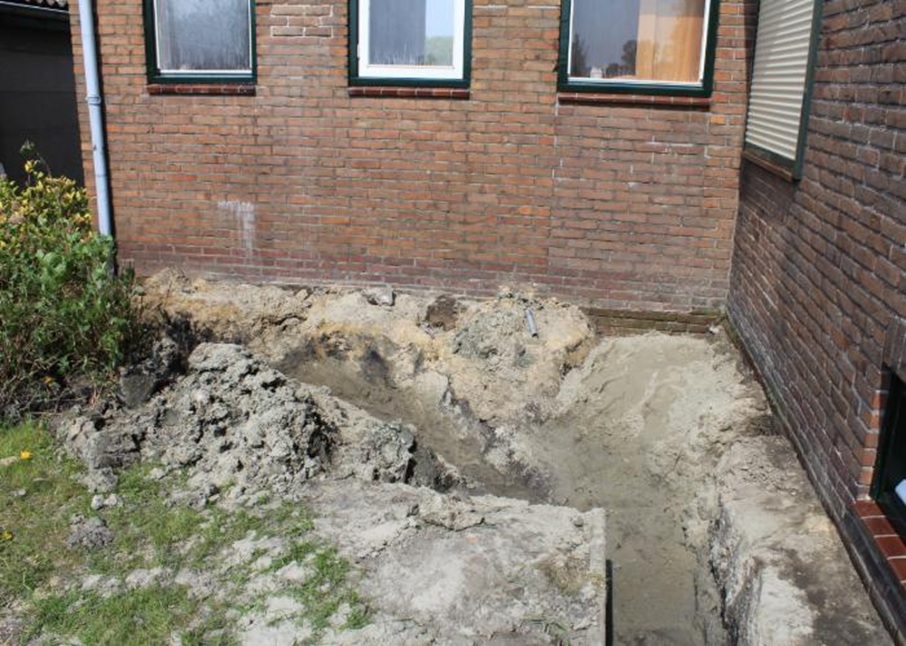
Homes change gradually over time. Materials expand and contract, soil conditions shift, and normal aging can create small imperfections in walls, floors, and finishes. Many of these changes are minor, but certain patterns deserve closer attention when they continue developing or appear in several areas at once. Understanding potential warning signs can help homeowners determine when house foundation repair should be discussed with a professional rather than relying on guesswork.
Homeowners who notice concerning changes can learn more about house foundation repair in Sterling Heights and arrange an evaluation when appropriate. A crack or sticking door by itself does not automatically confirm a foundation problem. The location, size, direction, timing, and combination of different symptoms can all provide useful information when determining what may be happening beneath or around the home.
Cracks Can Tell Different Stories
Cracks are among the first things homeowners associate with foundation concerns, but not every crack means the same thing.
Small cosmetic cracks can develop as building materials age or respond to normal movement. Other cracks may deserve closer evaluation depending on their size, orientation, location, and whether they are changing.
Instead of immediately filling a new crack and forgetting about it, homeowners can document it.
Take a clear photograph and note the date. If the crack changes noticeably, additional photos can create a simple visual history to share with a professional.
This approach provides more information than trying to remember what the area looked like several months earlier.
Doors and Windows May Offer Additional Clues
A door that suddenly becomes difficult to close can be frustrating, but there are several possible explanations.
Humidity, hardware, the frame, and normal wear may all affect operation. Windows can develop similar issues.
What deserves more attention is a developing pattern.
If several doors or windows begin sticking, no longer align as they once did, or show changes around their frames, homeowners may want to look at other parts of the property for additional signs.
When considering house foundation repair, a professional evaluation can help distinguish between an isolated door or window problem and changes that may involve the structure.
Uneven Floors Deserve a Closer Look
Homeowners become familiar with how their floors feel, which can make a noticeable change difficult to ignore.
A floor may seem sloped, uneven, or different from neighboring rooms. Furniture may no longer sit as it once did, or objects may appear to move toward one side of a surface.
Floor irregularities can have different causes.
The framing, flooring materials, moisture conditions, or foundation may all need to be considered depending on the property.
Rather than assuming the foundation is responsible, homeowners can document where the change occurs and arrange an appropriate inspection.
Check Where Walls and Ceilings Meet
Some changes are easier to see at transitions between building components.
Homeowners can occasionally look at the areas where walls meet ceilings, around interior corners, and near door or window openings. New gaps or cracks in these locations can be documented and monitored.
Trim can provide additional visual clues.
Baseboards, molding, and other finishes sometimes make changes in alignment easier to notice because they create straight reference lines.
Again, a single cosmetic imperfection is not enough to diagnose a structural issue. The broader pattern throughout the house matters.
Walk Around the Exterior
Foundation observations should not be limited to the inside of the home.
A periodic exterior walkthrough can help homeowners notice changes near the base of the property. Visible cracks, gaps, drainage conditions, and changes in surrounding soil may be worth documenting.
Look at where water travels during and after rainfall.
Gutters and downspouts are intended to manage roof runoff, while grading around the property influences where surface water moves. Standing water near the home or obvious drainage problems deserve attention.
Managing water around a property can be an important part of general home maintenance regardless of whether house foundation repair is ultimately necessary.
Soil Conditions Can Change Around a Home
The ground surrounding a foundation is not completely static.
Rainfall, dry periods, landscaping, drainage, and other conditions can influence soil moisture. Depending on local soil characteristics and the foundation type, these changes may affect how the ground behaves around the structure.
Homeowners do not need to become soil experts.
However, noticing significant erosion, areas where soil has pulled away, or recurring water accumulation can provide useful information for a professional evaluation.
Changes around the foundation should be considered alongside observations from inside the house rather than treated as completely separate issues.
Landscaping Deserves Consideration
Trees, shrubs, garden beds, and irrigation systems contribute to the appearance of a property, but they also influence the area around the home.
Homeowners can pay attention to how landscaping affects drainage and access around the foundation. Irrigation should be managed appropriately, and obvious water problems should not be ignored.
Large landscaping changes may also deserve planning.
Before significantly altering drainage patterns or completing major work near the foundation, homeowners may want to understand how the project could affect the surrounding area.
Good exterior maintenance involves thinking about both appearance and how water moves around the property.
Previous Repairs Are Useful Information
If a home has undergone foundation or structural work in the past, keep the documentation.
Invoices, inspection reports, photographs, warranty information, and descriptions of previous repairs can provide valuable context if new concerns develop later.
This information can help a professional understand what was previously observed and what work was completed.
Homeowners purchasing an older property may not always have access to complete records, but any available information is worth organizing.
When house foundation repair is being considered again, knowing the property’s repair history can make the evaluation more informed.
Avoid Diagnosing the Problem From One Symptom
Online photos and general guides can help homeowners recognize signs worth investigating, but they cannot diagnose a specific house.
A crack that looks similar in two photographs may have completely different causes depending on the foundation, building materials, soil, drainage, and history of each property.
This is why patterns matter.
Homeowners can collect observations from different parts of the house and share them during an inspection.
A professional can then evaluate the actual property rather than making decisions based on a single isolated symptom.
Keep Records When Changes Develop
A simple home maintenance record can be surprisingly helpful.
Homeowners can photograph visible changes and record approximately when they first appeared. Notes can include whether an area changed after heavy rain, a prolonged dry period, nearby construction, or another significant event.
Measurements may also be useful when a professional recommends monitoring a particular condition.
The goal is not to obsessively inspect every wall. It is to create reliable information when something unusual is already being observed.
That history can help show whether a condition appears stable or continues to change.
Know When to Arrange a Professional Evaluation
Homeowners do not need to wait for dramatic damage before asking questions.
Multiple developing cracks, noticeable floor changes, recurring door or window alignment problems, visible exterior concerns, or other significant changes can justify a professional evaluation.
Sudden or substantial structural movement deserves more urgent attention.
When there is uncertainty about the safety or structural condition of the property, homeowners should avoid relying exclusively on DIY repairs or cosmetic fixes.
Professional assessment can help determine what is happening and whether house foundation repair or another type of work should be considered.
Pay Attention to the Patterns Your Home Develops
A home can show many small changes throughout its lifetime, and most individual imperfections do not provide enough information to identify their cause. The more useful approach is to observe patterns, document changes, maintain drainage around the property, and seek professional guidance when concerns continue developing.
Homeowners who are seeing signs that deserve a closer look can contact Sterling Heights Foundation Repair Specialists for an evaluation of the property. Understanding the cause of a structural concern before deciding on repairs can help homeowners approach foundation work with clearer information and a more appropriate plan.
