
4
Walking into a room where every piece was purchased from the same showroom catalog feels curiously flat. It lacks narrative. Modern furniture delivers clean profiles, reliable ergonomics, and crisp structural proportion, but an entire space populated solely by factory-fresh items often reads as sterile. On the other end of the spectrum, an uncontrolled influx of estate sale treasures quickly tips a living room into looking like an eccentric antique stall.
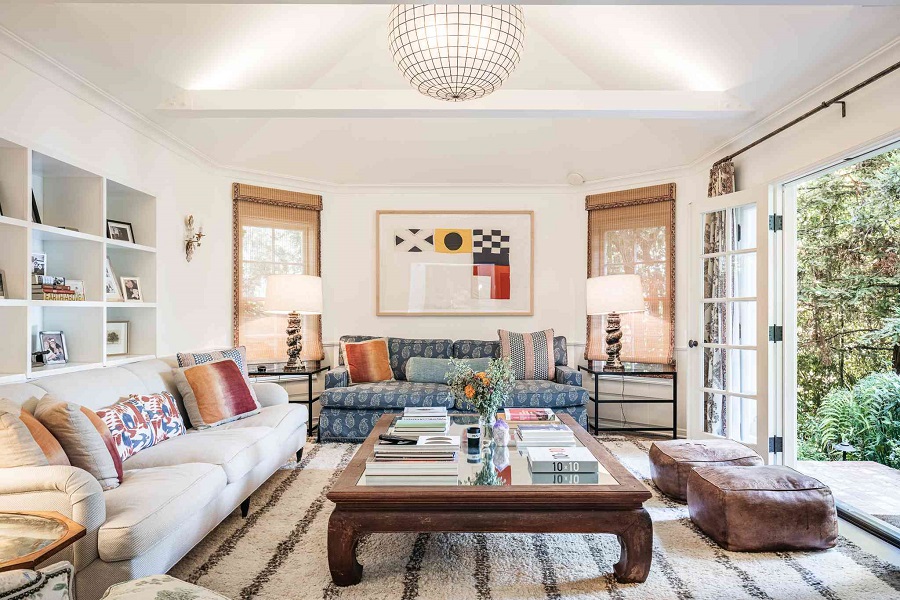
The magic happens in the tension between the two. When you pair the streamlined restraint of contemporary furnishings with the weathered patina of secondhand finds, the room feels collected, layered, and distinctly personal. Achieving this balance is less about following rigid formulas and more about orchestrating a deliberate dialogue between past and present.
Anchor with the 80/20 Rule to Avoid Visual Chaos
A common pitfall when blending decor styles is attempting a split down the middle. A room that is fifty percent mid-century modern and fifty percent ornate Victorian rarely feels eclectic; it feels indecisive. Instead, interior designers rely on an 80/20 ratio to establish clarity of intent.
For most contemporary homes, dedicating roughly eighty percent of the room to modern staples creates a tranquil, functional foundation. Large-scale investments—such as a tailored sectional, a sleek dining table, or minimalist media cabinetry—benefit most from modern manufacturing, which guarantees durability, comfort, and appropriate scale.
The remaining twenty percent becomes your playground for thrifted objects. This accent margin provides the character that modern retail pieces cannot replicate: an aged brass candelabra, a carved wooden stool used as an accent table, or a hand-thrown stoneware bowl. When vintage pieces represent an intentional minority, their eccentricities stand out as curated focal points rather than visual noise.
Create Tension Through Contrasting Silhouettes
The secret to making disparate eras look intentional lies in form. Rather than trying to match time periods, focus on contrasting silhouettes. Opposing lines create visual energy that keeps the eye moving throughout the space.
If your room is anchored by modern furniture with sharp, rectilinear geometries—think low-profile boxy sofas, linear iron coffee tables, or flat-front credenzas—counterbalance that rigidity with soft, organic vintage silhouettes. A rounded French pottery jug, an arched gilt-wood mirror, or a vintage turned-wood lamp softens hard edges and breaks up severe sightlines.
Conversely, if you happen to inherit a curvy vintage piece, such as a voluptuous velvet armchair or a carved pedestal table, flank it with hyper-minimalist contemporary lighting or a crisp geometric wool rug. Juxtaposing sharp architectural edges against fluid, historic curves creates effortless sophistication without requiring a single matching detail.
Let Patina Soften Modern Materials
Modern interiors often rely heavily on smooth, uniform finishes: powder-coated aluminum, pristine quartz, polished chrome, and manufactured veneers. While sleek, these materials can feel cold when left to carry a room alone. Thrifted vintage pieces offer the antidote through natural texture, tactile depth, and authentic patina.
A weathered pine chest brings warmth to a living room defined by crisp white walls and an architectural leather sofa. A vintage oil painting with visible surface crackling offsets the pristine surface of a modern floating shelf.
Balancing Sheen and Surface Texture
Pay attention to how light interacts with surfaces across the room. High-gloss modern finishes, such as polished stone or lacquer, find an ideal counterweight in matte, time-worn materials like raw terracotta, hand-loomed textiles, and unlacquered brass. Vintage brass in particular carries oxidation and subtle color variations that flat, contemporary gold paint simply cannot duplicate. Placing a tarnished antique vessel beside a modern glass lamp creates an immediate interplay of matte history and glossy modernity.
Unify Disparate Eras with a Restrained Color Story
When shapes, textures, and origins diverge, color is the thread that pulls everything into cohesive alignment. A thrifted room feels chaotic only when contrasting silhouettes fight against an unorganized color scheme.
To maintain visual calm, commit to a disciplined palette of three to four cohesive hues. Let your modern furnishings set the dominant backdrop—perhaps warm neutrals, deep charcoals, or warm oatmeal tones. When sourcing vintage treasures, prioritize pieces that echo or complement those established colors.
A framed vintage oil landscape picked up at an estate sale may date back seventy years, but if its moody olive greens and warm terracottas mirror your throw pillows and accent rug, it integrates effortlessly into a contemporary space. Color harmony acts as a translator, allowing furniture from different decades to speak the exact same language.
Edit with the Eye of a Museum Curator
The thrill of thrifting often encourages over-collecting. When every flea market trip yields a tempting brass trinket, vintage glassware set, or stack of old books, surfaces rapidly become overcrowded.
Vintage decor demands space to breathe. Without sufficient negative space, individual craftsmanship gets swallowed by sheer volume. Instead of displaying every thrifted curiosity you find, rotate your collection seasonally or group objects into intentional vignettes.
Apply the rule of three when styling consoles and sideboards: pair a tall vintage ceramic vase with a short modern sculpture and a small textured bowl. Leave the surrounding surface clear. When an object is surrounded by quiet space, its age, imperfections, and unique history are elevated from secondhand clutter to genuine art.
The Lived-In Result: A Home Built Over Time
Blending thrifted vintage decor with modern furniture is ultimately an exercise in storytelling. Anyone with a credit card can furnish an entire apartment in a single weekend from a modern showroom, but the spaces that leave a lasting impression are the ones that hint at history, curiosity, and personal discovery. By anchoring your room with modern comfort, introducing vintage soul through carefully chosen accents, and letting contrasting textures play off one another, you create a home that feels neither dated nor clinical—just timelessly yours.
